
First Scar Clinic — Site Header (Preview)
+92 312 4099944 firstscarclinic@gmail.com 202, Block N Model Town, Lahore
Skip to main content

firstscarclinic.pk

Types of Treatment

Topical treatments:

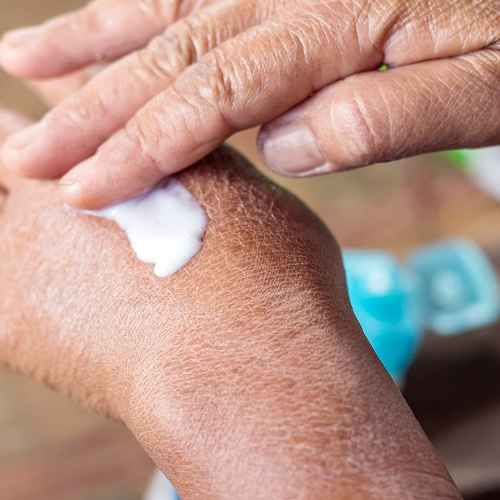
Topical treatments include vitamin E creams, gels and oils that claim to help fade the color of prominent scars. These are extensively used and an enormous number of such products are widely available both in pharmacies and online, with some successful anecdotal results reported. However, a double-blinded study undertaken on 15 patients with scars following cancer surgery suggested that there was no evidence for the efficacy to the cosmetic outcome of vitamin E products and that it might even make some scars worse. Of the patients studied, 33% developed a contact dermatitis to the vitamin E. In addition, the Mayo Clinic grades the evidence on scars and vitamin E as grade D, which means there is fair scientific evidence against this use (suggesting it may not work).

Chemical peels:

Peels in scar treatment have focused mainly upon acne scar treatment, although they may be used for any type of scar which has an element of hypertrophy, where the aim is to lower the scar to be flush with the skin. Examples would include scars created after burns, surgery or trauma, but not scars that are depressed. Trichloroacetic acid (TCA) peels and salicylic acid peels are frequently used and tend to be combined with other treatments such as micro needling and laser. There appears to be no consensus on the best combination, if any, of these elements of treatment, with many practitioners offering their own blend or package.

Corticosteroid injections:

Corticosteroid injections are a mainstay of treatment for hypertrophic scars and keloids. Usually triamcinolone is injected in multiple small aliquots along the length of the wound, or, if practical, a linear infiltration technique is used. The result is a reduction in redness of the scar and then slowing of growth, followed in most cases by regression of the bulk of the lesion.

Silicone sheets:

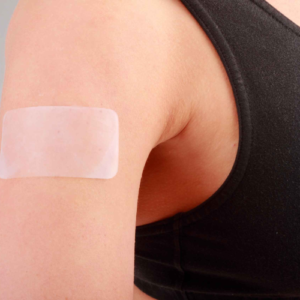
Silicone gel sheets, which can be placed on scars to encourage moisture accumulation under the scar to hydrate the skin, have also been shown to be effective for some scars and have led to a wide range of versions being made available for patients to purchase for themselves for self-treatment. Research has suggested they are safe and effective, and also well tolerated for the treatment of hypertrophic and keloid scars.

Dermal fillers:

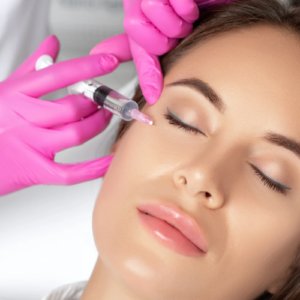
Fillers are particularly suited to a couple of applications, namely pitted scars and acne scarring, such as ice pick scars. When combined with subcision,8 fillers can produce a cosmetically effective result. A single treatment can therefore provide both components of the treatment i.e. the subcision with the needle bevel, followed by the insertion of the filler material through the same needle to fill the space created by the subcision. This is an example of when a needle is more effective than a cannula as the latter cannot be used for subcision. The filler needle’s bevel can be inserted below the defect or ice pick scar and moved from side to side in an arc to divide the tissue, anchoring the base of the scar down to the subcutaneous tissue. Injecting the filler material, usually hyaluronic acid, will fill the defect from below and raise the surface of the scar to be consistent with the surrounding tissue, thus reducing its visibility for the life of the filler, which may last between to four to nine months depending on the product. Furthermore, the production of new collagen is stimulated in the same way as micro needling, which may lead to more permanent filling of the defect by the patient’s own tissue. Other types of filler materials such as calcium hydroxyapatite may be more effective for this latter function.

Micro needling:

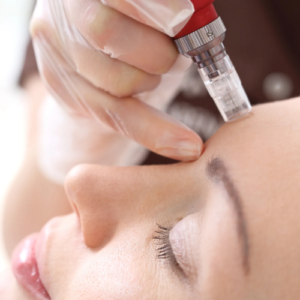
Micro needling therapy, also called collagen induction therapy (CIT), and percutaneous collagen induction (PCI), involves making large numbers of punctures into the scarred area using needles which can generally range from 0.5mm to 3mm in depth. The devices used can be pen-like or needle encrusted rollers, used under topical anesthesia. The punctures are repaired by the body’s natural healing process of skin proliferation producing collagen and elastin to plug the wounds, which can reduce the appearance of the scar. This treatment is used for most types of scar.

TREATMENT OF SCARS –

ACNE, TRAUMA, BURN, POST-SURGICAL

Surgical correction of scars, laser treatment
Ablative ultrapulse CO2 laser in the case of laser resurfacing
Depends on the type of treatment, the severity and extent of the scarring, and therefore varies from 10 to 90 minutes
For acne scars 1-3, for trauma or burn scars 1-8
For acne scars at least 7-8 months, for trauma or burn scars at least 2 months
Anesthetic cream, air at -20°C/Local anesthetic/Intravenous sedation
See the individual treatments

CO2 LASER TREATMENTS

Laser treatment
Ultrapulsed CO2, Super pulsed CO2, Pulses CO2, Continues Wave CO2
Depends on the procedure to perform (from 1 min to more than 1 hour)
Anesthetic cream, eventual intra venous sedation/Local anesthesia
Fine crusts for 5 – 6 days followed by at least 2 weeks of erythema (fractional resurfacing); small superficial abrasion followed by erythema (erythema can last also for 60 – 75 days)
The patient must not be tanned and must avoid sun and UV lamp exposure for at least 30 days before treatment. The patient must begin a cycle of antibiotic, antiviral and antifungal medications the day before treatment. If the patient is a dark skin phototype, a lightening product must be applied to the face for 4 weeks before treatment
The patient must continue to take the prescribed drugs, and repeatedly apply ointment to the face for the first 5-6 days, in order to facilitate easy detachment of the thin scabs. For 2-3 months after treatment, the patient must avoid geographical regions with high UV irradiation, and in any case must continually apply SPF 50+ sun protection for the same period of time. The patient has to apply antibiotic ointment for 6 – 8 days in case of skin lesion ablation

DIODE LASER TREATMENTS

Laser treatment
Light Sheer diode laser (also with new HS High Speed handpiece)
30 minutes at maximum
6 – 8 (on average)
30 – 40 days
Redness of the treated area (intrafollicular erythema) for several hours, swelling around each hair (follicular edema) for 24 hours at most. Very rarely there may be temporary hypopigmentation of the skin and formation of small scabs
Avoid sun exposure and UV lamp exposure for 30 days before treatment, no antibiotics or tranquillizers
The same as those before treatment
First Scar Clinic — Scar Treatment Page (Preview)
Scar Treatment, Lahore

Types of Scar Treatment

Scars form differently depending on their cause, so the right treatment depends on the type of scar you have. Explore the approaches we use at First Scar Clinic, from simple topical care to advanced laser and filler techniques.
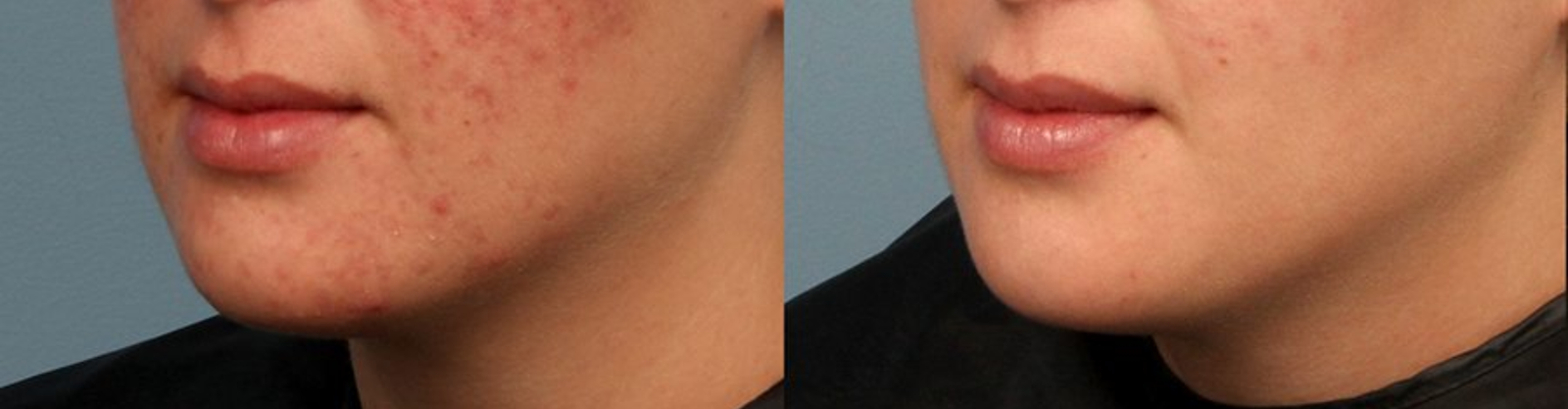
Acne scar treatment before and after

Scars form differently depending on their cause, so the right treatment depends on the type of scar you have. Here's an overview of the main approaches we use at First Scar Clinic, from simple topical care to advanced laser and filler techniques.

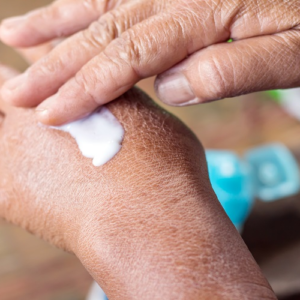
Topical scar treatment cream
01

Topical treatments

Topical treatments include vitamin E creams, gels and oils that claim to help fade the colour of prominent scars. These are widely available in pharmacies and online, with some successful anecdotal results reported. However, a double-blinded study on 15 patients with post-surgical scars found no evidence for the cosmetic efficacy of vitamin E products, and that it might even make some scars worse — 33% of patients studied developed contact dermatitis to the vitamin E. The Mayo Clinic grades the evidence on scars and vitamin E as grade D, meaning there is fair scientific evidence against this use.
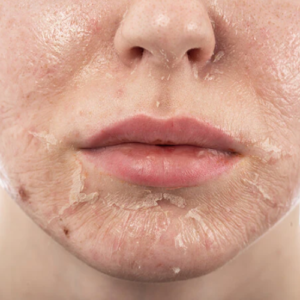
Chemical peel treatment
02

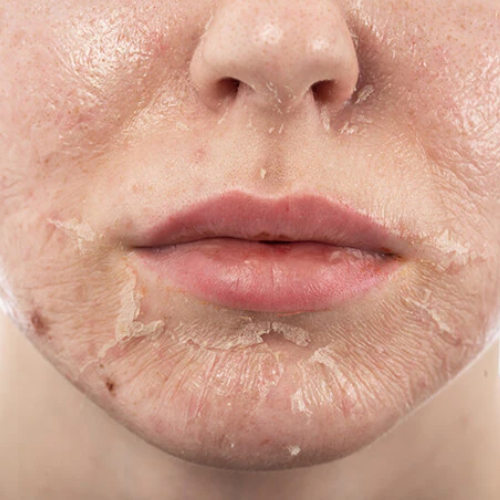
Chemical peels

Peels in scar treatment focus mainly on acne scarring, although they can be used for any scar with an element of hypertrophy, where the aim is to bring the scar flush with the skin. Trichloroacetic acid (TCA) and salicylic acid peels are frequently used, often combined with other treatments such as micro needling and laser. There is no single agreed combination — many practitioners offer their own blend or package tailored to the patient.
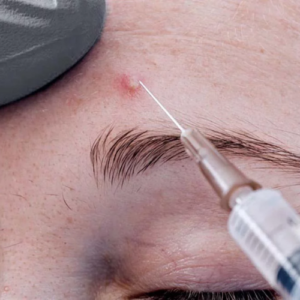
Corticosteroid injection for scar
03

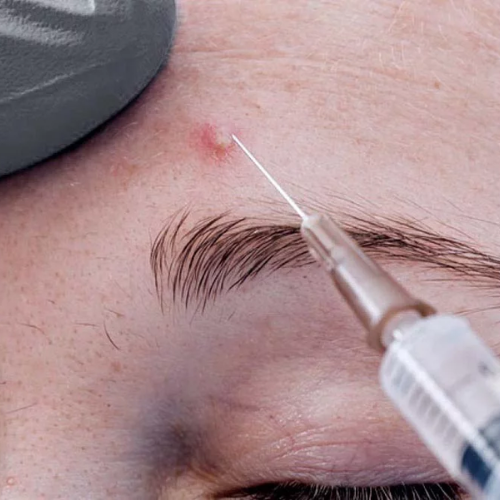
Corticosteroid injections

Corticosteroid injections are a mainstay of treatment for hypertrophic scars and keloids. Usually triamcinolone is injected in multiple small aliquots along the length of the wound, or, where practical, using a linear infiltration technique. The result is a reduction in redness and a slowing of growth, followed in most cases by regression of the bulk of the lesion.
Silicone gel sheet for scars
04

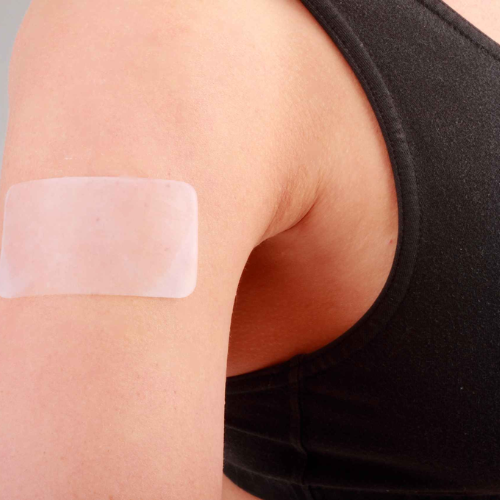
Silicone sheets

Silicone gel sheets encourage moisture accumulation under the scar to hydrate the skin, and have been shown to be effective for some scars. A wide range of versions is available for patients to purchase for self-treatment. Research suggests they are safe, effective, and well tolerated for treating both hypertrophic and keloid scars.
Dermal filler treatment for ice pick scars
05

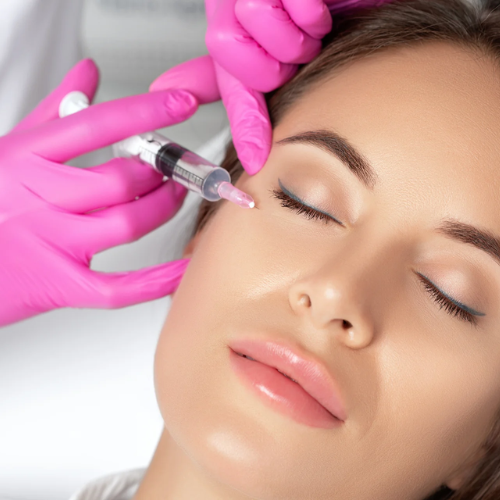
Dermal fillers

Fillers are particularly suited to pitted and ice-pick scars. Combined with subcision, they can produce a cosmetically effective result in a single treatment — the subcision is performed with the needle bevel, followed by insertion of the filler material through the same needle to fill the space created. Injecting hyaluronic acid fills the defect from below, raising the scar's surface to sit flush with the surrounding tissue and reducing its visibility for four to nine months, depending on the product. New collagen production is also stimulated, similar to micro needling, which can lead to more permanent improvement.
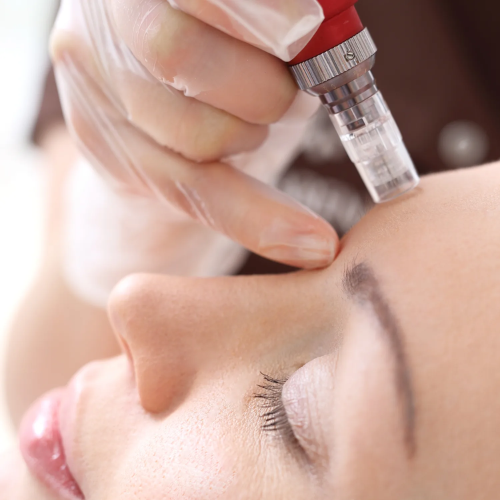
Micro needling treatment
06

Micro needling

Micro needling therapy — also called collagen induction therapy (CIT) or percutaneous collagen induction (PCI) — involves making large numbers of punctures into the scarred area using needles ranging from 0.5mm to 3mm in depth. Devices can be pen-like or needle-encrusted rollers, used under topical anaesthesia. The punctures trigger the skin's natural healing process, producing collagen and elastin that reduce the appearance of the scar. This treatment suits most types of scar.

What to expect

Treatment protocols for acne, trauma, burn & post-surgical scars

Surgical correction of scars, laser treatment.
Yes.
Ablative ultrapulse CO2 laser in the case of laser resurfacing.
Depends on the type of treatment and the severity and extent of the scarring — varies from 10 to 90 minutes.
1–3 for acne scars; 1–8 for trauma or burn scars.
At least 7–8 months for acne scars; at least 2 months for trauma or burn scars.
Anaesthetic cream, air at -20°C, local anaesthetic, or intravenous sedation.
See the individual treatments.
Laser treatment.
Yes.
Ultrapulsed CO2, Super pulsed CO2, Pulsed CO2, Continuous Wave CO2.
Depends on the procedure to perform — from 1 minute to more than 1 hour.
1
Anaesthetic cream, with eventual intravenous sedation or local anaesthesia.
Fine crusts for 5–6 days followed by at least 2 weeks of erythema (fractional resurfacing); small superficial abrasion followed by erythema, which can last 60–75 days.
The patient must not be tanned and must avoid sun and UV lamp exposure for at least 30 days before treatment. A cycle of antibiotic, antiviral and antifungal medication should begin the day before treatment. For darker skin phototypes, a lightening product must be applied to the face for 4 weeks before treatment.
The patient must continue the prescribed medication and repeatedly apply ointment to the face for the first 5–6 days to allow easy detachment of the thin scabs. For 2–3 months after treatment, avoid regions with high UV irradiation and continually apply SPF 50+ sun protection. Antibiotic ointment should be applied for 6–8 days in case of skin lesion ablation.
Laser treatment.
Yes.
LightSheer diode laser, including the new HS High Speed handpiece.
30 minutes at maximum.
6–8 on average.
30–40 days.
None.
Redness of the treated area (intrafollicular erythema) for several hours, and swelling around each hair (follicular edema) for up to 24 hours. Very rarely, temporary hypopigmentation of the skin or small scabs may form.
Avoid sun exposure and UV lamp exposure for 30 days before treatment. No antibiotics or tranquillizers.
The same precautions as those before treatment.

Book your scar consultation

Fill in your details and our team will confirm your appointment shortly.

Or WhatsApp Us