

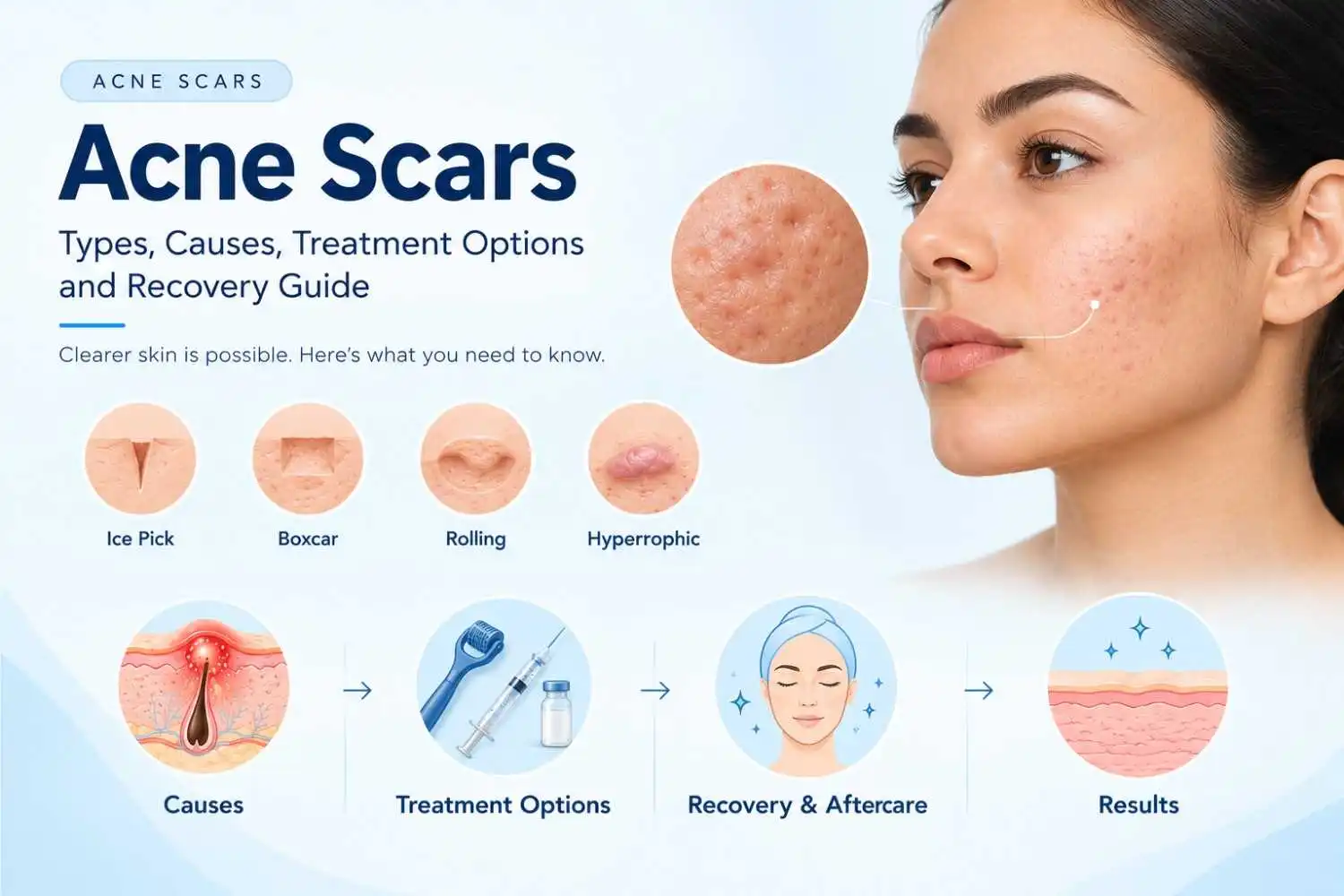
Acne scars can affect your skin’s texture, appearance, and confidence. Some leave small holes or uneven areas, while others appear as raised marks or dark spots after a breakout. The right treatment depends on the type of mark, its depth, your skin tone, and whether you still have active acne.
If you want to learn how to remove acne scars, this guide explains the different types of scars, available treatments, creams and gels, laser procedures, costs, recovery times, and ways to prevent new scars. It also explains when home skincare may help and when a dermatologist can offer better options.
1. What Are Acne Scars?
Acne scars are changes in the skin that can develop after inflamed pimples, nodules, or cysts damage the skin’s deeper layers. Some scars create dents, while others form raised areas. Flat red, brown, or dark marks after acne are often changes in skin colour rather than true scars.
Understanding the difference matters because acne scar treatment depends on what you are trying to improve. Dark marks may fade with time and suitable skincare, while deep scars often need professional procedures.
What Do Acne Scars Look Like?
Acne scars can appear as narrow holes, wider dents, uneven skin texture, firm raised bumps, or thick areas of scar tissue. Their colour may match your skin or appear red, brown, or darker than the surrounding area.
Are Dark Spots the Same as Acne Scars?
Not always. Flat dark spots that remain after a pimple are usually called post-inflammatory hyperpigmentation (PIH). Red or pink flat marks may be post-inflammatory erythema. These marks affect skin colour, while atrophic and raised scars change the skin’s shape or texture.
How Can You Tell the Difference?
Dark or red flat marks: Often improve gradually with time and appropriate skincare.
Indented scars: Create visible dips or holes in the skin.
Raised scars: Form firm or thick areas above the surrounding skin.
Why Correct Identification Matters
Treating a flat dark mark as if it were a deep scar may lead to unnecessary procedures. A dermatologist can help identify the problem and choose a suitable treatment.
2. What Causes Acne Scars?
Acne scars can develop when inflammation damages the skin during a breakout. The body then repairs the damaged area, but it may produce too little collagen, creating a depression, or too much collagen, creating a raised scar. Picking, squeezing, or repeatedly irritating pimples can increase the risk of scarring.
Not everyone who experiences acne develops scars. Deep, painful breakouts are more likely to leave permanent changes than mild surface pimples, which is why early acne treatment is important.
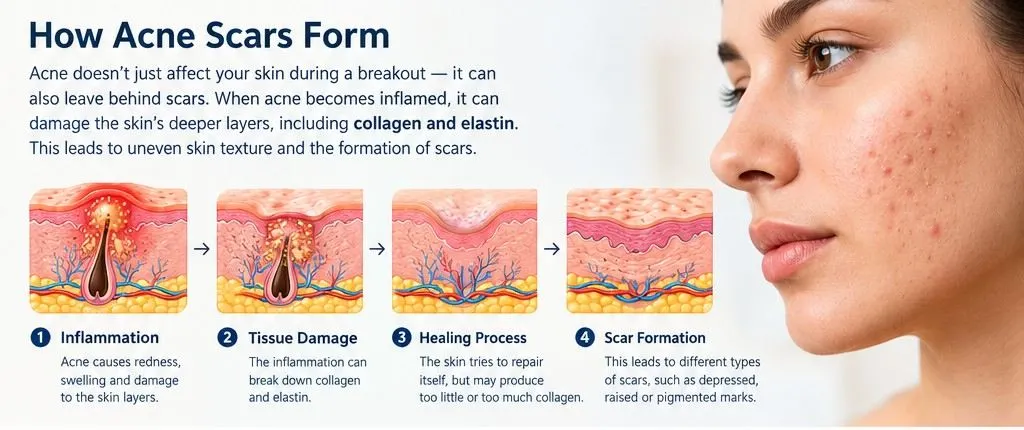
Figure 1. How acne inflammation may lead to changes in skin texture.
Which Acne Breakouts Are More Likely to Leave Scars?
Deep nodules and cysts can cause greater inflammation and damage to the skin. Persistent inflammatory acne can also increase the chance of developing scars, especially when breakouts continue for a long time.
Does Picking Pimples Cause Acne Scars?
Picking, squeezing, or scratching pimples can worsen inflammation and damage surrounding tissue. Avoiding these habits helps protect the skin, although some scars can still develop even when you leave pimples alone.
Which Acne Breakouts Are Most Likely to Leave Scars?
Deep, painful nodules
Inflamed cysts
Repeated breakouts in the same area
Acne that remains untreated for a long time
When Should You Seek Help for Persistent Acne?
Consider seeing a dermatologist if you have painful, deep pimples, frequent breakouts, or new scars. Treating active acne early can reduce the risk of further skin damage.
3. What Are the Different Types of Acne Scars?
The main types of acne scars include icepick, boxcar, rolling, hypertrophic, and keloid scars. The first three usually create depressions in the skin, while hypertrophic and keloid scars are raised. Flat marks left after acne are usually colour changes rather than structural scars.
A dermatologist can assess the scar’s depth, shape, and location before recommending a procedure. Knowing your scar type helps you understand which options may improve its appearance.
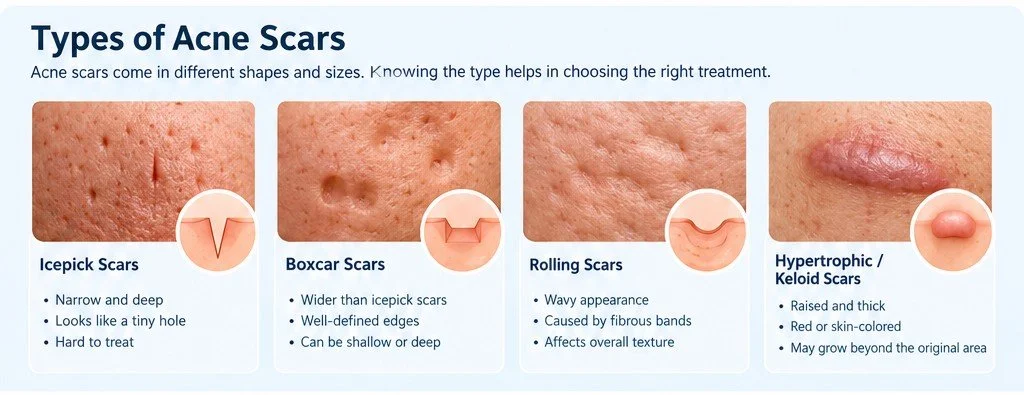
Figure 2. Illustrative profiles of common acne scar types.
How Are Acne Scars Classified?
Dermatologists generally classify indented scars by their shape and raised scars by how the scar tissue grows. Flat marks left after acne are usually colour changes rather than structural scars.
Can Different Types of Scars Appear Together?
Yes. One person may have several types of acne scars at the same time. A treatment plan may combine different procedures to address each type rather than relying on one method.
How Can You Tell Acne Scars Apart from Dark Marks?
Look at whether the skin’s surface is uneven. A flat mark mainly changes colour, while a true indented or raised scar changes the skin’s texture. A professional assessment can confirm the difference.
Why Scar Type Affects Treatment
A cream may help improve some flat dark marks, but it is unlikely to fill a deep depression. Procedures such as microneedling, subcision, or laser resurfacing may be considered for selected textural scars.
4. What Are Icepick Acne Scars?
Icepick scars are narrow, deep depressions that look like tiny holes in the skin. They often extend farther into the skin than their small surface opening suggests. Because of their depth, they can be difficult to improve with creams alone.
Which Treatments May Help Icepick Scars?
A dermatologist may consider targeted treatments such as punch excision, selected chemical reconstruction techniques, or other procedures based on the scar’s depth and location. Not every procedure is suitable for every skin type.
Can Creams Remove Icepick Scars?
Creams may improve skin texture or pigmentation in some cases, but they generally cannot fill deep, established holes. A professional assessment can help you understand realistic treatment options.
5. What Are Boxcar Acne Scars?
Boxcar scars are wider depressions with clearly defined edges. They may look round or oval and can be shallow or deep. Their appearance depends on the scar’s size, depth, and how much the surrounding skin is tethered.
How Are Boxcar Scars Treated?
Possible treatments include microneedling, laser resurfacing, chemical peels for selected shallow scars, and punch techniques for certain deep scars. A dermatologist may combine procedures when different scars need different approaches.
Do Shallow and Deep Boxcar Scars Need Different Treatments?
Yes. Shallow scars may respond to treatments that improve skin texture, while deep scars may need more targeted procedures. Treatment choice should follow an assessment of your skin and scar depth.
6. What Are Rolling Acne Scars?
Rolling scars create a wavy or uneven appearance across the skin. They often develop when fibrous bands beneath the skin pull the surface downward. The shadows created by these dips may become more noticeable under certain lighting.
What Is the Best Way to Treat Rolling Scars?
Subcision may help when fibrous bands are pulling the skin downward. A dermatologist may also recommend microneedling, radiofrequency microneedling, laser resurfacing, or fillers depending on the scar pattern.
Why May Subcision Be Recommended?
Subcision uses a specialised needle or instrument beneath the skin to release certain bands that pull a scar down. It is a medical procedure and should be performed by a qualified professional who can assess its risks and suitability.
7. What Are Hypertrophic and Keloid Acne Scars?
Hypertrophic scars are raised areas that remain within the boundaries of the original injury. Keloids grow beyond those boundaries and may continue to enlarge. Both result from excess scar tissue, but they behave differently and may need different treatments.
How Are Raised Acne Scars Treated?
A dermatologist may recommend steroid injections, silicone-based scar care, or other treatments depending on the scar. Keloids can be difficult to manage and may return after treatment, so follow-up care is important.
Can Raised Acne Scars Be Treated at Home?
Home skincare may support general skin health, but established raised scars usually need professional assessment. Avoid cutting, squeezing, or applying harsh products to the area.
8. What Is the Best Treatment for Acne Scars?
The best treatment depends on the scar type, depth, skin tone, medical history, budget, and recovery time you can manage. There is no single procedure that works best for everyone. Some people benefit from one treatment, while others need a combination of methods.
The best acne scar treatment is the one selected for your skin after a proper assessment. A dermatologist may also recommend controlling active acne first to reduce the risk of new scars.
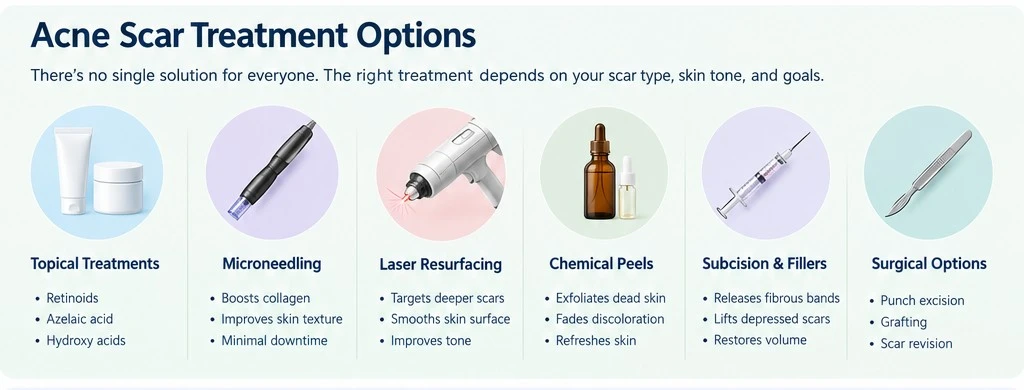
Figure 3. Treatment options depend on scar type and individual assessment.
Which Acne Scar Treatment Options Are Available?
Common options include microneedling, laser resurfacing, chemical peels, subcision, fillers, and selected surgical procedures. Topical products may help some colour changes, but they usually have limited effects on deep structural scars.
How Do You Choose Between Home Care and Professional Treatment?
Home care may be a reasonable starting point for flat dark marks and general skin health. For deep depressions, raised scars, or scars that have not improved, a dermatologist can explain the likely benefits, limitations, risks, and costs of professional options.
What Should You Consider Before Choosing a Treatment?
Scar type: Different scars respond to different procedures.
Skin tone: Some treatments carry a risk of post-treatment pigmentation.
Downtime: Procedures vary in healing time.
Budget: Several sessions may be needed.
Expectations: Improvement is often gradual, and complete removal may not be possible.
Why Is a Personalised Treatment Plan Important?
The same procedure may produce different results in different people. Your dermatologist should explain the expected improvement, possible side effects, number of sessions, and aftercare before you begin.
9. Can Topical Treatments and Creams Improve Acne Scars?
Topical treatments can help with some flat marks and uneven skin tone, but their effects depend on the ingredients and the type of scar. Ingredients such as retinoids, azelaic acid, and vitamin C may help certain forms of discolouration or skin texture when used appropriately. They do not reliably remove deep icepick, boxcar, or rolling scars.
If you are looking for an acne scar cream, check what it is designed to treat. A product intended for dark marks may not improve a dent or raised scar.
What Should You Look for in an Acne Scar Cream?
Choose products based on their ingredients, your skin’s sensitivity, and the problem you want to address. Introduce active ingredients gradually and follow product directions. A dermatologist or pharmacist can help you choose a suitable option if you are unsure.
Do Acne Scar Gels and Removal Creams Work?
An acne scar gel or acne scar removal cream may help some marks if it contains suitable ingredients, but the label alone does not prove that it will work. Many products marketed for scar removal have limited evidence for treating established acne scars.
What About Acne Scar Care Gel?
An acne scar care gel may moisturise the skin or support care for certain kinds of marks, depending on its formula. Check the ingredient list and intended use, and do not expect a gel to fill deep scars.
What Is the Best Cream for Acne Scars?
There is no single best cream for acne scars for everyone. Products containing retinoids or other suitable ingredients may help some people, particularly when the main concern is uneven texture or dark marks. Some ingredients can irritate skin, so start carefully and seek professional advice when needed.
How Can You Use Topical Products Without Irritating Your Skin?
Introduce one new active product at a time.
Patch-test when appropriate and follow label directions.
Use a gentle cleanser and moisturiser.
Wear broad-spectrum sunscreen during the day.
Stop using a product and seek advice if you develop severe irritation.
When Should You Ask a Professional About Creams?
Seek advice if you have sensitive skin, persistent irritation, deep scars, or uncertainty about which ingredients to use. If you are pregnant or planning pregnancy, ask a healthcare professional before using retinoids.
10. How Does Microneedling Treat Acne Scars?
Microneedling uses fine needles to create controlled, tiny injuries in the skin. This process encourages the skin’s repair response and collagen production. It may gradually improve the appearance of selected indented acne scars, but several sessions are often needed.
The procedure should be performed by a trained professional using appropriate equipment and infection-control practices. At-home needling can cause infection, irritation, pigmentation changes, and further scarring.
How Many Microneedling Sessions May Be Needed?
The number depends on scar depth, skin response, the device used, and the treatment plan. Results usually develop gradually over weeks or months rather than appearing overnight.
Is Microneedling Suitable for Every Skin Type?
Microneedling may be suitable for many skin tones, but a professional must assess your skin and medical history. It may not be appropriate when you have active skin infection, painful or pus-filled acne, certain healing problems, or a history of keloids.
11. Is Radiofrequency Microneedling Effective for Acne Scars?
Radiofrequency microneedling combines tiny needles with radiofrequency energy delivered into the skin. It aims to stimulate tissue remodelling and may improve selected acne scars. Its effectiveness and risks depend on the device, settings, operator, and individual skin.
Who May Benefit from Radiofrequency Microneedling?
It may be considered for some people with uneven texture or indented scars. A dermatologist should explain how it compares with standard microneedling or other options for your specific scar type.
What Are the Possible Risks?
Possible effects include redness, swelling, discomfort, and changes in pigmentation. More serious complications can occur, especially with unsuitable settings or poor technique. Ask about the provider’s training, device, aftercare, and expected recovery.
12. How Does Laser Resurfacing Treat Acne Scars?
Laser resurfacing uses light energy to target selected layers of skin or stimulate collagen remodelling. Depending on the laser, it may improve some depressed scars, uneven texture, and related skin concerns. The procedure, recovery time, and expected results vary.
Laser treatment for acne scars is not the same for every person. A dermatologist should consider your scar type, skin tone, history of pigmentation, and tolerance for downtime before recommending a laser.
What Is the Difference Between Ablative and Non-Ablative Lasers?
Ablative lasers remove or treat parts of the skin’s surface, while non-ablative lasers heat tissue beneath the surface without removing the same amount of skin. Ablative treatments may involve more downtime and risks; non-ablative options may require several sessions.
Is Laser Treatment Safe for Darker Skin?
Some lasers can be used on darker skin tones, but the risk of post-inflammatory hyperpigmentation or lighter patches must be considered. Choose a dermatologist experienced in treating your skin tone and ask about safer settings and alternatives.
Which laser is suitable for my skin tone and scar type?
The suitable laser depends on the scar type, skin tone, medical history, and risk of pigment changes. A dermatologist experienced in treating your skin tone should assess these factors and explain safer alternatives where appropriate.
How much improvement is realistic?
Laser treatment may soften uneven texture and make some scars less noticeable, but results vary. Complete removal cannot be guaranteed, and deeper scars may need a combination of treatments.
How many sessions might I need?
The number of sessions depends on the laser used, scar depth, treatment area, and your skin’s response. Some people need several sessions spaced weeks apart; your clinician should provide an individual plan.
What are the risks of dark or light patches?
Laser treatment can cause temporary or persistent changes in skin colour, including darker or lighter patches. The risk can be higher in some darker skin tones and with unsuitable settings, so discuss your personal risk and aftercare with a qualified clinician.
What aftercare and sun protection will I need?
Follow the clinic’s instructions for cleansing, moisturising, and avoiding irritating products while your skin heals. Protect treated skin from sunlight and use broad-spectrum sunscreen as advised. Contact your clinician if you develop unexpected pain, blistering, or signs of infection.
Why Professional Assessment Matters Before Resurfacing?
A consultation helps identify whether laser treatment is appropriate and whether another procedure may offer a better balance of benefits and risks. Do not choose a laser based only on advertisements or before-and-after photographs.
13. Can Chemical Peels Improve Acne Scars?
Chemical peels use a chemical solution to remove controlled layers of skin and encourage renewal. Depending on the type and strength, they may help some surface irregularities and post-acne dark marks. Deeper scars usually need other treatments or a combined approach.
Which Chemical Peels Are Used for Acne Scars?
A professional may consider different peel types depending on the skin concern and skin tone. Stronger peels carry greater risks and should not be attempted at home without appropriate medical guidance.
Can Chemical Peels Remove Deep Acne Scars?
Chemical peels generally cannot fully remove deep, narrow scars or significant depressions. A dermatologist can explain whether a peel may help your concerns or whether another procedure is more suitable.
14. What Are Subcision, Dermal Fillers, and Surgical Treatments?
Some acne scars need targeted procedures rather than surface treatments. Subcision can release bands pulling certain scars downward, fillers may temporarily lift selected depressions, and minor surgical techniques may help specific deep scars. Each option has different benefits, limitations, and risks.
When Are These Procedures Considered?
A dermatologist may recommend them when scars have a particular shape or depth that is unlikely to improve enough with topical products alone. Some people benefit from combining procedures, while others may be better suited to a different approach.
Can These Treatments Remove Acne Scars Completely?
Complete removal cannot be guaranteed. The goal is usually to make scars less noticeable and improve skin texture. Results depend on the type of scar, procedure, healing response, and maintenance.
15. What Is the Best Acne Scar Treatment for Darker Skin?
Darker skin tones can develop post-inflammatory hyperpigmentation after acne or skin procedures. This does not mean treatment is impossible; it means the choice of procedure, settings, and aftercare needs careful planning. A dermatologist experienced with darker skin can help reduce avoidable risks.
Which Treatments May Be Suitable for Darker Skin?
Depending on the scar and skin assessment, options may include selected topical ingredients, microneedling, certain lasers, or other procedures. No method is risk-free, and the best choice depends on the individual rather than skin colour alone.
How Can You Reduce the Risk of Pigmentation?
Follow professional aftercare, avoid picking at the skin, and use broad-spectrum sunscreen. Do not use strong peels, unregulated lightening products, or aggressive home procedures without appropriate advice.
16. How Much Does Acne Scar Treatment Cost?
The cost of acne scar treatment varies by location, provider, procedure, scar severity, and number of sessions. Creams and skincare products may cost less initially, while professional procedures can require a larger budget and follow-up visits.
What Affects the Total Cost?
Costs may depend on the treatment area, the equipment used, the provider’s experience, consultation fees, aftercare, and whether more than one procedure is needed. Ask for a clear estimate before starting treatment.
How Can You Compare Treatment Options?
Compare the expected benefit, total number of sessions, recovery time, possible risks, and aftercare—not just the price of one session. Avoid providers who promise guaranteed removal or pressure you to buy a package without a proper assessment.
17. How Long Does Acne Scar Treatment Take to Work?
Treatment results are usually gradual. Some flat dark marks fade over time, while structural scars may need several sessions and months of healing. The timeline depends on the treatment, scar type, skin response, and whether new acne continues to develop.
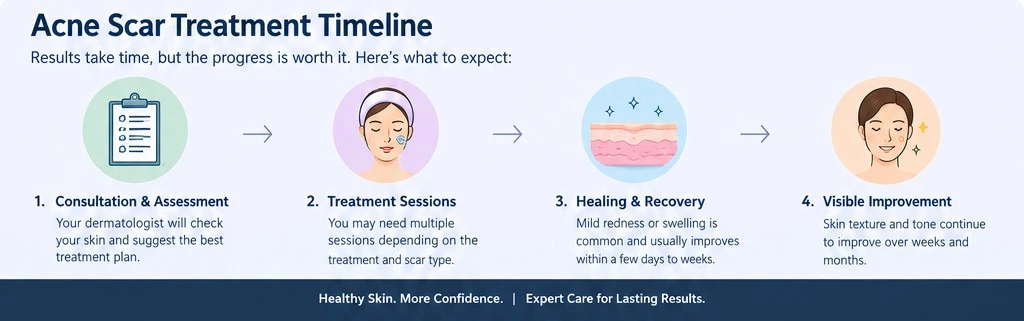
Figure 4. Acne scar treatment usually involves assessment, treatment, healing, and review.
When Can You Expect to See Results?
Some people notice early changes after a few weeks, but collagen remodelling and visible improvement can take several months. Follow the treatment schedule recommended by your provider and attend follow-up appointments when advised.
Why Might Results Differ Between People?
Scar depth, skin type, age of the scars, treatment choice, healing response, and sun exposure can all affect the outcome. Photographs taken under similar lighting can help track gradual changes more reliably than checking the skin every day.
18. How Can You Prevent New Acne Scars?
Preventing new scars starts with controlling active acne and avoiding unnecessary skin injury. Use a gentle skincare routine, follow appropriate acne treatment, and seek professional help for painful or persistent breakouts. Early care may reduce the chance of developing new scars.
What Daily Skincare Habits Help Prevent Scarring?
Cleanse gently, use non-comedogenic products when suitable, avoid picking pimples, and apply broad-spectrum sunscreen. If acne continues despite consistent care, a dermatologist can recommend treatment based on its severity.
What Should You Avoid?
Avoid squeezing pimples, harsh scrubbing, unregulated scar-removal products, and home procedures that damage the skin. Irritation can worsen inflammation and increase the risk of dark marks, particularly in skin that is prone to pigmentation.
What Daily Habits Help Protect Healing Skin?
Cleanse gently without scrubbing.
Moisturise to support the skin barrier.
Use sunscreen as directed.
Avoid picking or scratching spots.
Follow your clinician’s aftercare instructions.
How Can You Maintain Results After Acne Scar Treatment?
Keep active acne under control, protect your skin from the sun, and follow your maintenance plan. If new breakouts or irritation develop, seek advice early rather than adding several strong products at once.
Frequently Asked Questions About Acne Scars
1. How can I remove acne scars naturally?
Some flat post-acne marks may fade gradually with time, gentle skincare, and sun protection. However, natural remedies cannot reliably remove deep or raised scars. Avoid harsh home treatments that can irritate the skin.
2. What is the best treatment for acne scars?
There is no single treatment that works best for everyone. The right option depends on whether your scars are indented, raised, or mainly dark marks, along with your skin tone, health, and budget. A dermatologist can recommend a suitable plan.
3. Can acne scar cream remove deep scars?
Most creams cannot fill deep icepick, boxcar, or rolling scars. Some topical ingredients may help improve flat dark marks or mild surface concerns, but deeper scars often need professional procedures.
4. Is laser treatment better than microneedling?
Neither is automatically better for every person. Both may help selected scars, but suitability depends on scar type, skin tone, risks, cost, and recovery time. A dermatologist can compare the options for your skin.
5. How long does it take for acne scars to fade?
Flat dark marks may fade over several months, although some last longer. Indented or raised scars may persist without treatment. Professional procedures often require multiple sessions and time for healing.
6. Can acne scars return after treatment?
Treated scars may become less noticeable, but the results vary and complete removal is not guaranteed. New acne can create additional scars, so ongoing acne control and suitable skincare remain important.
7. Are acne scar gels effective?
It depends on the ingredients and the type of mark. Some gels may moisturise the skin or help with certain concerns, but products marketed for scar removal are not guaranteed to improve established, deep scars.
8. Should I treat acne before treating acne scars?
Usually, yes. Controlling active acne helps reduce the chance of new scars forming while you treat existing ones. Your dermatologist can advise when it is appropriate to begin a scar procedure.
Final Thoughts
Acne scars can be frustrating, but there are several ways to improve their appearance. The right approach depends on your scar type, skin tone, and treatment goals. Creams may help some flat dark marks, while indented or raised scars often need professional care.
If you are researching the best treatment for acne scars, start by identifying the type of scar you have and learning what each option can realistically achieve. A dermatologist can help you compare benefits, risks, costs, and recovery time before you decide.
Explore our blog pageblog page for more skincare and educational articles, learn about our servicesservices, visit our home pagehome page, or use our contact pagecontact page to get in touch.
Medical Sources and Further Reading
American Academy of Dermatology. Acne scars: Consultation and treatment.
American Academy of Dermatology. Acne scars: Signs and symptoms.
American Academy of Dermatology. Microneedling can fade scars and uneven skin tone.
Mayo Clinic. Acne scars: What’s the best treatment?
Mayo Clinic. Acne: Diagnosis and treatment.
Medical note: This article is for general educational purposes and is not a substitute for medical advice, diagnosis, or treatment. Consult a qualified dermatologist before starting prescription products or undergoing a procedure.