

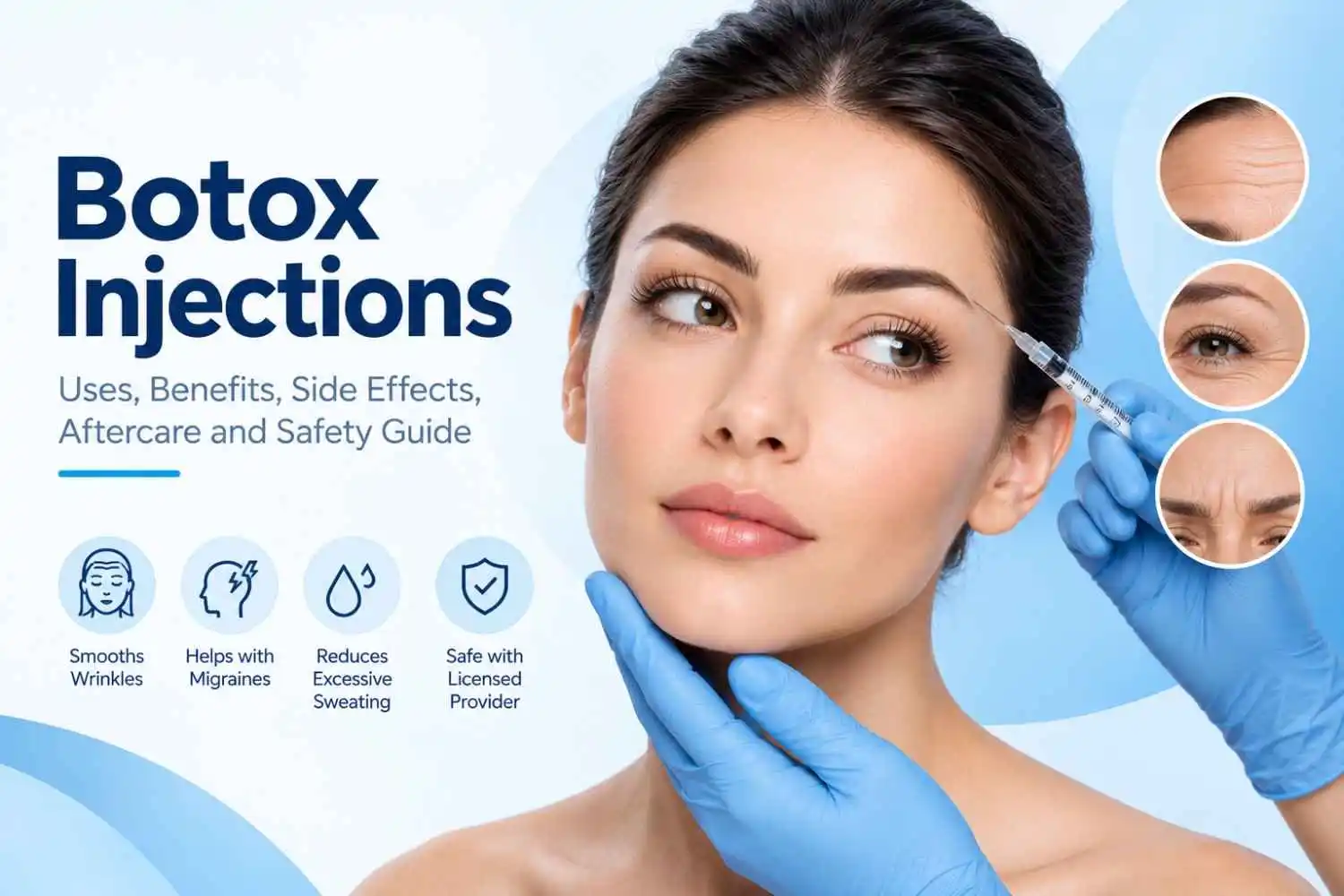
A Botox injection is a quick, non-surgical treatment that uses a small dose of botulinum toxin to relax specific muscles. It is best known for smoothing facial wrinkles, but doctors also use it for chronic migraine, excessive sweating, and several muscle conditions.
This guide explains how Botox works, botox treatment, what to expect, and how long results last. It also covers side effects, aftercare, and the licensed provider checks that help you avoid unsafe products.
What Are Botox Injections?
Botox injections are shots that use a purified neurotoxin to stop a muscle from moving for a limited time. Doctors inject very small amounts into targeted muscles. The result is a smoother look in the treated area or relief from certain medical conditions.
So, what is Botox? It is a brand name for botulinum toxin type A. People often use “Botox” to describe every botulinum toxin product, but it is only one brand. Botox® was the first FDA-approved cosmetic product of this kind.
How Botox Works
Botox blocks nerve signals that tell muscles to contract. When the injected muscle cannot tense, the wrinkles above it soften. The effect is temporary, so muscle contraction gradually returns as the toxin wears off over several months.
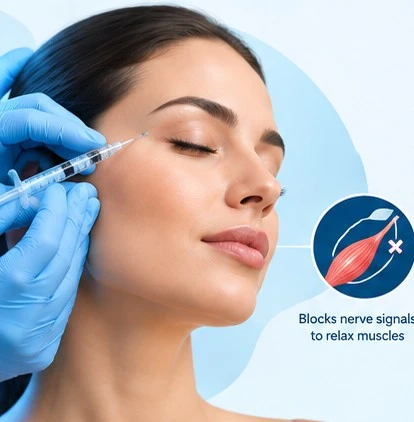
How Botox works: nerve signals and muscle relaxation.
What Is Botox Made Of?
Botox is made from a toxin produced by the bacterium Clostridium botulinum, the same toxin that causes botulism. Manufacturers purify it into very small doses that meet medical standards. When used correctly by licensed providers, these products are generally safe.
Is Botox Safe?
Botox is considered safe when a licensed provider injects the right muscles with the recommended amount of an FDA-approved product. It is not risk-free, though. If the toxin spreads beyond the injection site, it can cause drooping eyelids, trouble swallowing, or trouble breathing, as the CDC explains.
Safety When a Licensed Provider Administers Botox
A licensed and trained provider knows which muscles to target and how much to inject. Botox is a prescription-only medicine and should be used only under such care. Many reported harms involved providers who lacked a valid license or proper training.
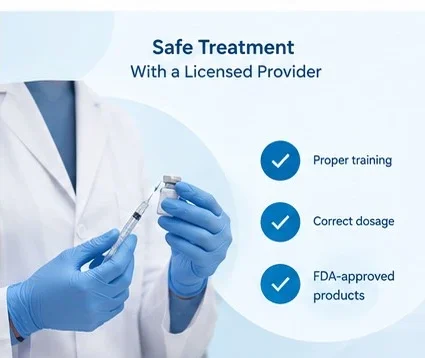
Botox treatment safety starts with a qualified, licensed healthcare provider.
FDA-Approved Botulinum Toxin Products
As of April 2026, the only FDA-approved cosmetic botulinum toxin products are Botox®, Daxxify®, Dysport®, Jeuveau®, Letybo®, and Xeomin®. These products are sold only to people with a valid healthcare license, never directly to the public.
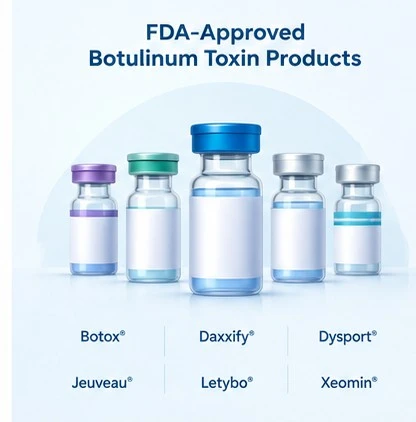
Examples of FDA-approved botulinum toxin products; availability and approved uses vary by product and location.
Cosmetic Uses of Botox
Cosmetic Botox targets signs of aging by softening lines caused by repeated muscle movement. It is a popular choice for people who want a non-surgical way to look more rested. Several areas can often be treated in one session.
Common Treatment Areas
Botox is commonly used on the forehead, the area between the eyebrows, and around the eyes. Cleveland Clinic also lists the lips, chin, jawline, and neck as treatable areas. The muscle your provider injects depends on your main concern.
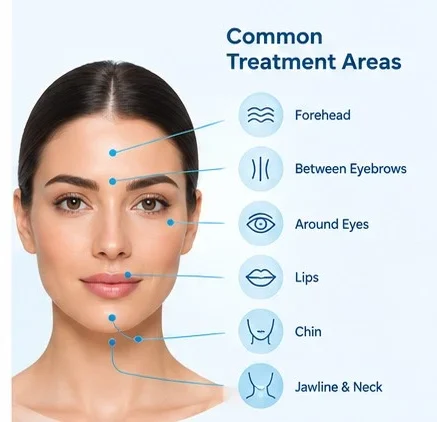
Common facial areas that may be treated with Botox.
Forehead Lines
Botox smooths the horizontal lines across the forehead by relaxing the muscles that create them. It is one of the most common cosmetic uses.
Glabellar Lines (Between the Eyebrows)
The glabellar area sits between the eyebrows. Injections here reduce the vertical frown lines that appear when you frown or concentrate.
Crow’s Feet
Botox can soften the fine lines around the eyes that show up when you smile or squint. These are known as crow’s feet.
Lips, Chin, Jawline, and Neck
These areas can also be treated for lines and signs of aging. Results depend on your anatomy and goals, so a qualified provider should assess each area before treatment.
Dynamic Wrinkles vs Static Wrinkles
Dynamic wrinkles form from muscle movement, such as forehead lines and crow’s feet, and respond best to Botox. Static wrinkles are visible even at rest and are usually treated with dermal fillers, which add volume.
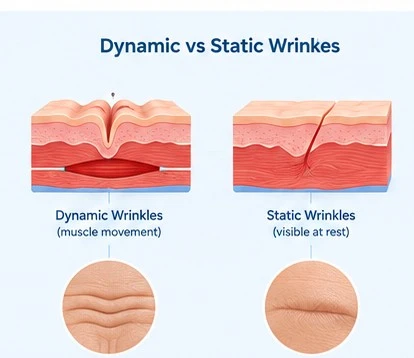
Dynamic wrinkles are linked to movement, while static wrinkles remain visible at rest.
Natural-Looking Results and Facial Expressions
At the right dose, Botox can deliver natural-looking results without freezing your expression. A skilled provider aims for balance and subtlety. Discuss your goals beforehand so your facial expressions still look like you.
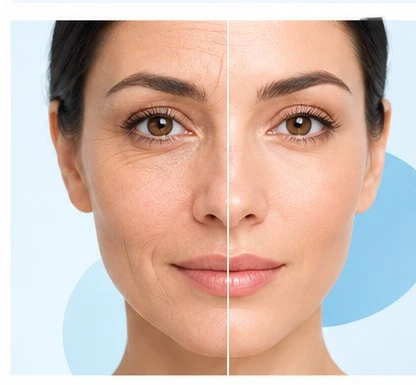
Treatment outcomes vary; a qualified provider should aim for balanced, natural-looking results.
Medical Uses of Botox
Botox is not only a cosmetic treatment. Doctors have used it for decades to treat several health conditions. It can ease symptoms, but it is not a cure, and most uses need repeat treatment to keep the benefit.
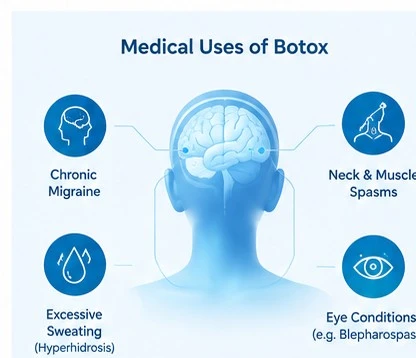
Examples of medical conditions for which botulinum toxin may be used.
Chronic Migraine
The FDA has approved Botox for chronic migraine, meaning headaches on 15 or more days a month. Mayo Clinic notes that treatment is needed about every three months. It tends to work better with each additional session.
Excessive Sweating (Hyperhidrosis)
Botox can treat hyperhidrosis, a condition where people sweat heavily even when they are not hot or active. MedlinePlus lists severe underarm sweating among its uses. Numbing may be offered first, especially when the palms or feet are treated.
Neck, Eye, and Muscle Spasm Conditions
Botox treats cervical dystonia (neck spasms), blepharospasm (uncontrollable blinking), strabismus (misaligned eyes), and spasticity. It works by weakening overactive muscles, which reduces painful or uncontrolled contractions.
Overactive Bladder
Botox shots can reduce urinary incontinence caused by an overactive bladder. Cleveland Clinic notes that local or regional anesthesia may be used for this treatment.
Botox in Dentistry
Dentists use Botox for bruxism (teeth grinding), TMJ muscle spasms, and gummy smile correction. These uses are newer, so ask a qualified dentist or specialist whether they suit your case.
Types of Botulinum Toxin and Brands
Botulinum toxin comes in two types and several brands. The right one depends on your needs and the condition being treated. Your provider can recommend the best option for you.
Type A vs Type B
Type A is mainly used for facial wrinkles. Products include onabotulinumtoxinA (Botox), abobotulinumtoxinA (Dysport), incobotulinumtoxinA (Xeomin), daxibotulinumtoxinA (Daxxify), and prabotulinumtoxinA (Jeuveau). Type B, sold as rimabotulinumtoxinB (Myobloc), is often the first choice for neck spasms.
Botox vs Dysport and Other Brands
Not all brands treat the same problems. According to Cleveland Clinic, Dysport may work faster, while Botox may last longer. Ask your provider which product suits your goals and which brands they use.
Who Is a Good Candidate for Botox?
Not everyone is a suitable candidate. A consultation helps your provider confirm that treatment is appropriate and safe for you.
Ideal Candidates
Good candidates have noticeable wrinkles or fine lines and want a non-surgical option. They should not have medical conditions that rule out Botox, particularly neurological disorders. Your provider will review your history before treatment.
Who Should Avoid Botox?
Most providers advise against Botox if you are pregnant or breastfeeding. Cleveland Clinic also lists neuromuscular disease, drooping eyelids, and weak facial muscles as reasons to avoid it. Always share your full medical history.
How to Prepare for Botox
Give your provider a current list of your medications and supplements. Blood thinners and NSAIDs can raise the risk of bruising, and you may need to stop some days before treatment. Talk to the prescribing doctor first rather than stopping on your own.
Also mention any Botox you had in the past four months. Cleveland Clinic advises avoiding alcohol for 24 hours beforehand, since it makes redness and bruising more likely.
What to Expect During Botox Treatment
A typical Botox treatment is an outpatient procedure, so you go home the same day. Most sessions are short, and many people return to normal activities right away.
Before the Procedure
Your provider reviews your goals and decides which areas to treat. They may apply a topical anesthetic, ice, or vibration anesthesia to numb the skin. Most people feel little pain during the procedure.
During the Procedure
The provider uses a fine needle to inject tiny amounts of botulinum toxin into the targeted muscle. The number of shots depends on the size of the treatment area. Sometimes ultrasound is used to guide the needle.
Does Botox Hurt?
Most people feel little to no discomfort, or a slight pinch or sting. The needles are very small, and a numbing gel can help if you are worried about pain. The procedure is over quickly.
Botox Aftercare: Dos and Don’ts
Good aftercare helps keep the toxin where it is needed. Mayo Clinic advises not rubbing or massaging the treated area for 24 hours and not lying down for 2 to 4 hours. You can usually return to your normal routine soon after.
Timing advice varies between clinics, so follow your own provider’s instructions. Mild swelling or bruising usually fades within a few days. Key points to remember:
- Do not rub, press, or massage the treated area for the period your provider advises (24 hours is common).
- Stay upright for the first few hours.
- Avoid strenuous exercise for the time advised (sources range from 24 hours to two days).
- Avoid sleeping face-down the first night.
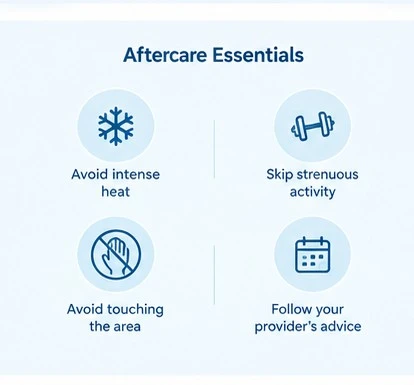
Aftercare reminders: follow your treating provider’s specific instructions.
How Long Does Botox Take to Work and Last?
Botox does not work instantly, and it does not last forever. Timing varies from person to person and by the area treated.
When Botox Results Start to Appear
Botox usually begins working within 1 to 3 days, according to Mayo Clinic. Full results can take a week or more. Not everyone sees visible results or relief, so discuss your expectations with your provider beforehand.
How Long Results Last and How Often to Repeat
Results often last three to four months, though some sources say up to six months, and MedlinePlus notes up to twelve for certain conditions. As the toxin wears off, muscles regain movement. To maintain results, follow-up injections are usually spaced at least three months apart.

Botox effects are temporary; duration varies by treatment area and individual.
Botox Side Effects and Risks
Botox is usually safe under skilled care, but it can cause unwanted effects. Most are mild and short-lived. Knowing the difference between common Botox side effects and warning signs helps you act quickly.
Common Side Effects
Common Botox injection side effects include pain, swelling, redness, or bruising at the injection site, headache, flu-like symptoms, and an upset stomach. Some people have temporary drooping eyelids, watery eyes, or, rarely, uneven results. Most mild issues improve within a day or two.
Rare Serious Reactions and When to Call a Doctor
Rarely, the toxin spreads beyond the injection site. Seek urgent help if you notice difficulty swallowing, trouble breathing, muscle weakness, blurry or double vision, or slurred speech. These symptoms can start hours to weeks after treatment. Botulism is a medical emergency, so do not wait.
How to Choose a Safe Botox Provider
The provider and the product both matter. The CDC has received an increased number of reports of harmful reactions linked to counterfeit or mishandled products, including difficulty swallowing and trouble breathing. A few simple checks can lower your risk.
Check the Provider’s License and Training
Ask whether your provider has a valid healthcare license and training in botulinum toxin injections. In the US, some states offer a license look-up tool to verify a provider or clinic. Consider a dermatologist or plastic surgeon, and ask for credentials.
Check the Product Source
Ask whether the product comes from an authorized source of FDA-approved botulinum toxin. Ask the provider to draw it from a labeled vial into the syringe while you watch. If you have doubts, do not go ahead and find another properly licensed provider.
Risks of Counterfeit Botox and DIY Injections
Counterfeit Botox can be unlabeled, contaminated, or contain a different amount of toxin than the label states. Some harmed patients injected themselves or were treated at home or in spas. Never self-inject, and avoid products from unlicensed online sellers.
How to Report a Harmful Reaction
Report harmful reactions to the FDA’s MedWatch program. The CDC also advises reporting suspected counterfeit products to the FDA at 800-551-3989.
Botox Cost and Insurance Coverage
Botox cost depends on your location, the provider’s experience, and the dose needed. One clinic source puts a single injection at $150 to $500, but that is a US guide only. For botox injection price in Pakistan, ask for a written PKR quote naming the product and dose. As of October 2026, published prices from clinics in Lahore range from about PKR 15,000 for a small area to PKR 60,000 for a full upper-face session. Some clinics charge per unit, at roughly PKR 1,600 to PKR 2,000 per unit. Prices differ by city, clinic, and product, and imported products can change with the exchange rate.
Insurance usually covers Botox for medical conditions such as migraines or urinary incontinence, but typically not for cosmetic use. Policies vary, so check with your insurer. The CDC warns that injections can be expensive, but the risk of harm is too great to use anything other than FDA-approved products.
Botox vs Dermal Fillers
Both treatments reduce the look of facial lines, but they work differently. Botox is a neurotoxin that relaxes muscles to soften dynamic wrinkles. Dermal fillers use materials such as hyaluronic acid or calcium hydroxylapatite to add volume and fill static lines.
Botox results appear within days and last about 3 to 6 months. One clinic source says fillers work immediately and can last from 6 months up to 2 years, depending on the type.
Alternatives to Botox
Non-surgical alternatives include topical anti-aging creams and laser treatments. According to one clinic source, they generally do not match the quick, dramatic results of Botox. Dermal fillers are another option when volume loss is the main concern.
Daily habits also help. The CDC mentions limiting direct sun exposure, using broad-spectrum sunscreen, and applying skin care products with retinoids to prevent or smooth wrinkles.
Conclusion
Botox injections can smooth wrinkles and treat several medical conditions, but your safety depends on who injects you and what they inject. Choose a licensed, trained provider, confirm the product source, and follow aftercare advice. Know the warning signs of serious reactions.
Ready to talk to a professional? Book a consultation with a licensed, trained provider and ask about the product source before treatment.
FAQs
Can You Get Botox at Home or at a Spa?
Botox should be given only by a licensed, trained provider. The CDC reports harm in people injected at home or in non-healthcare settings, including spas, and says never to self-inject. If a spa is involved, verify the provider’s license first.
Can Botox Prevent Wrinkles?
Botox softens wrinkles by relaxing the muscles that cause them, and some sources also describe it as helping to prevent new lines. Results vary from person to person, so discuss realistic expectations with your provider.
Is Repeated Botox Treatment Safe?
Repeat treatments are routine and usually spaced at least three months apart. Over time, muscles may contract less, so sessions can sometimes be spaced further apart. Your provider can set a schedule that suits you and monitor how you respond.
References
- Centers for Disease Control and Prevention (CDC). Harmful Reactions Linked to Counterfeit “Botox” or Mishandled Botulinum Toxin Injections
- Mayo Clinic. Botox Injections
- MedlinePlus (National Library of Medicine). Botulism
- National Institutes of Health (NIH). Benefits of Botulinum Toxin: It’s Not Just for Wrinkles
- American Academy of Dermatology. Botulinum Toxin Therapy: Overview
- American Academy of Ophthalmology. Botulinum Toxin (Botox) for Facial Wrinkles
- American Society for Dermatologic Surgery. Neuromodulators
- Dystonia Medical Research Foundation. Botulinum Neurotoxin Injections
- VisualDX. Botulinum Toxin (Botox)